
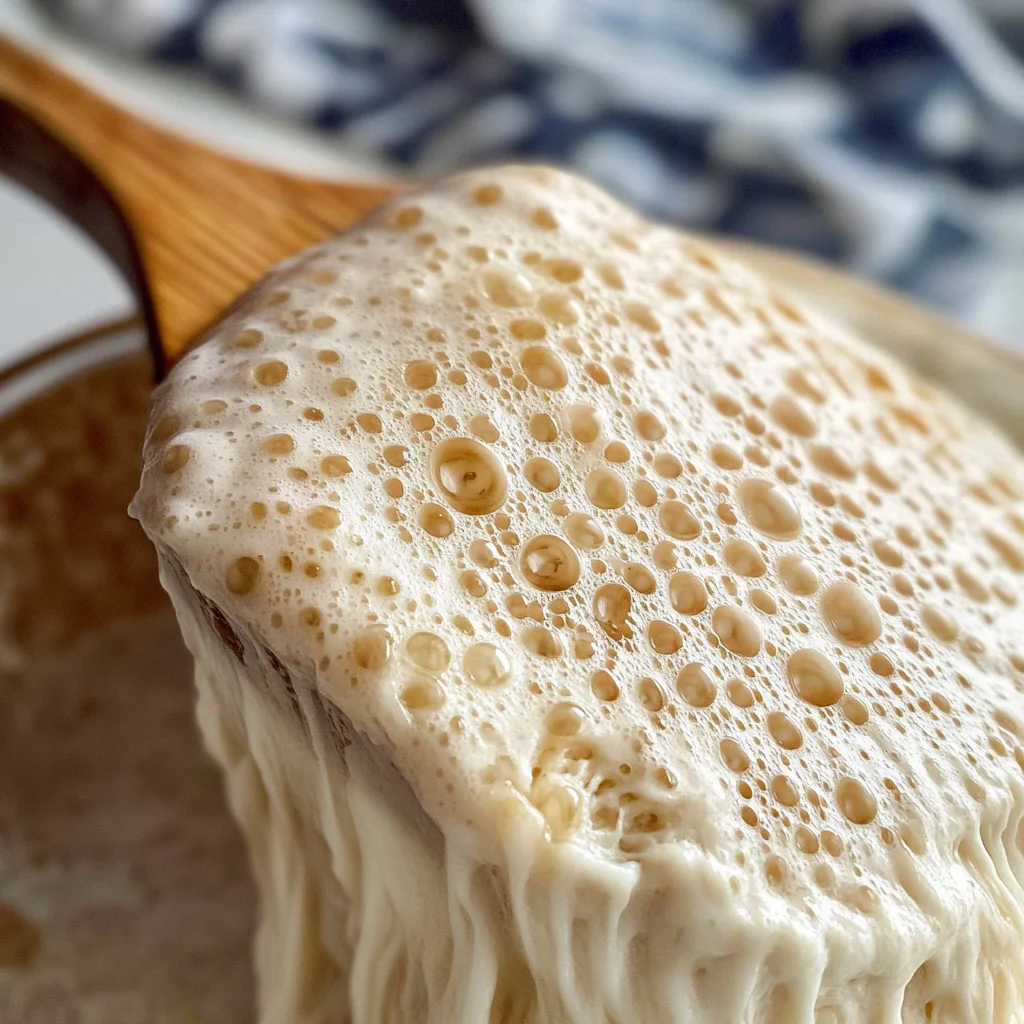
This Sourdough Starter Recipe is your gateway to creating delicious, homemade sourdough bread in just a few days. With minimal ingredients—only flour and water—you can cultivate a vibrant starter that brings unique flavors and aromas to your baking. Perfect for any occasion, this simple recipe is ideal for beginners and seasoned bakers alike, making it a staple in every kitchen.
Why You’ll Love This Recipe
- Easy to Follow: This recipe requires only basic ingredients and steps, making it accessible for everyone.
- Flavorful Bread: A fresh sourdough starter enhances the taste of your bread with tangy notes and a delightful crust.
- Versatile Use: Use your starter not just for bread but also for pancakes, waffles, and even pizza dough.
- Cost-Effective: Making your own sourdough starter saves money compared to purchasing pre-made starters or specialty breads.
- Sustainable Baking: Cultivating your own starter reduces waste by using simple pantry staples.
Tools and Preparation
Having the right tools makes creating your sourdough starter easy and enjoyable. Here are the essentials you need for this recipe.
Essential Tools and Equipment
- glass jar
- measuring cups
- mixing spoon
- kitchen scale (optional)
Importance of Each Tool
- Glass Jar: A clear glass jar allows you to monitor the progress of your sourdough starter as it ferments.
- Measuring Cups: Accurate measurements ensure you create the perfect balance of flour and water for optimal fermentation.
Ingredients
For the Sourdough Starter
- 1/4 cup Whole Wheat Flour (or other whole grain flour)
- 5 lb All Purpose Flour
- 1/4 cup water (room temperature)
How to Make Sourdough Starter Recipe
Step 1: Day 1 – Combine Ingredients
- In a clean glass jar, combine 1/4 cup whole wheat flour with 1/4 cup room temperature water.
- Stir until fully mixed, ensuring there are no dry clumps of flour.
- Cover loosely with a lid or cloth to allow air circulation while preventing debris from entering.
Step 2: Day 2 – Feed Your Starter
- Check for bubbles or signs of fermentation; this indicates activity.
- Add 1/4 cup all-purpose flour and 1/4 cup water, mixing well.
- Cover loosely again and let sit at room temperature.
Step 3: Day 3 – Continue Feeding
- By now, you should see more bubbles; this means your starter is getting stronger.
- Repeat the feeding process by adding 1/4 cup all-purpose flour and 1/4 cup water.
- Mix thoroughly and cover loosely once more.
Step 4: Days 4-7 – Maintain Your Starter
- Each day, continue feeding your starter with 1/4 cup all-purpose flour and 1/4 cup water.
- Monitor its growth; it should double in size within a few hours after each feeding.
- After about seven days, your sourdough starter will be ready to use! Look for a pleasant aroma and bubbly texture.
Now you’re equipped with the knowledge to create an amazing Sourdough Starter Recipe that will elevate your baking skills! Enjoy experimenting with various bread recipes using your new starter.
How to Serve Sourdough Starter Recipe
The Sourdough Starter Recipe can be enjoyed in various ways, enhancing your meals and snacks. Here are some serving suggestions to make the most of your homemade starter.
Toast with Toppings
- Avocado Toast: Spread ripe avocado on toasted sourdough for a creamy delight.
- Tomato and Basil: Top with fresh tomatoes and basil for a refreshing bite.
- Nut Butter and Banana: A sweet option with nut butter and banana slices.
Bread-making
- Homemade Sourdough Bread: Use the starter to create a classic loaf bursting with flavor.
- Sourdough Pancakes: Mix the starter into pancake batter for fluffy, tangy pancakes.
- Sourdough Pizza Crust: Make a unique pizza base that adds character to your toppings.
Dipping Options
- Hummus Dip: Pair sourdough with creamy hummus for a satisfying snack.
- Olive Oil and Balsamic Vinegar: A simple yet elegant dip that enhances the bread’s flavors.
How to Perfect Sourdough Starter Recipe
To ensure your Sourdough Starter Recipe thrives, there are helpful tips to follow. These will help you achieve that perfect rise and flavor.
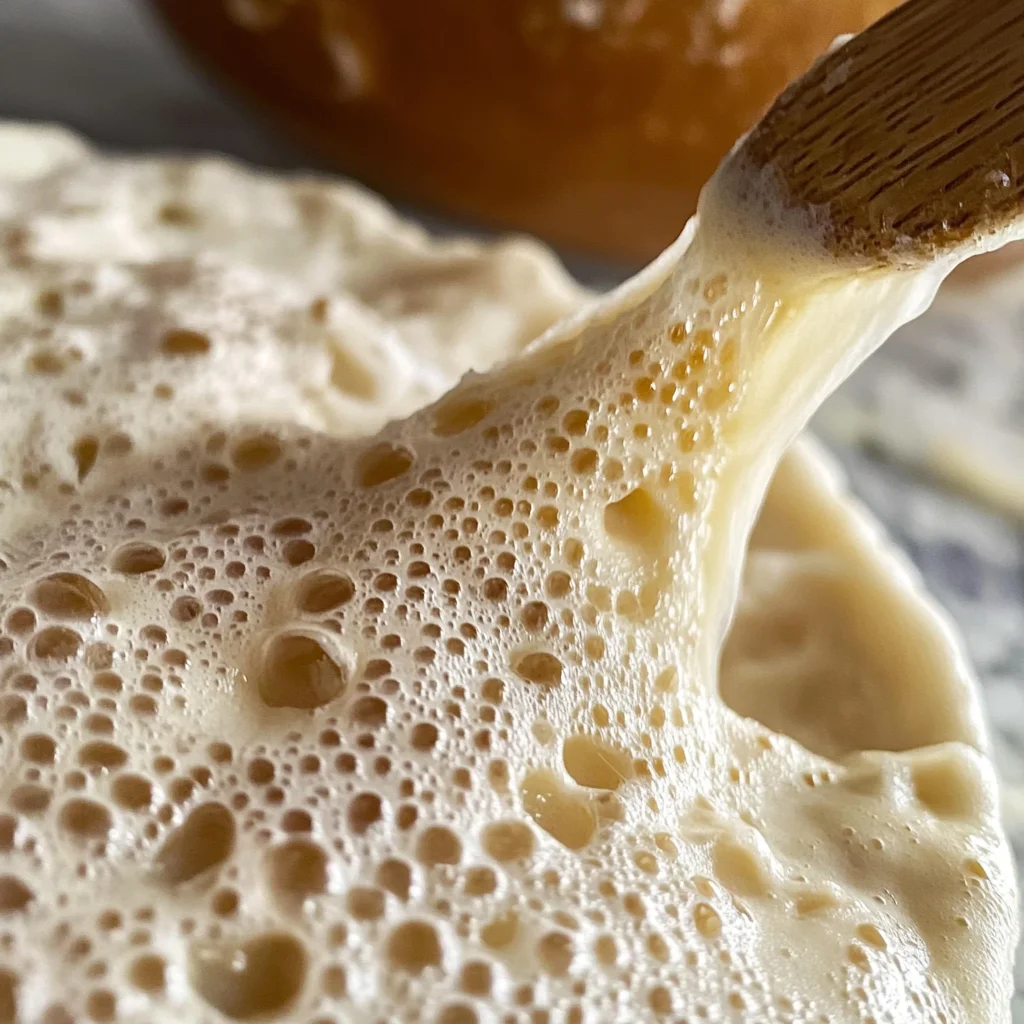
- Bold Consistency Check: Your starter should have a thick but pourable consistency. Adjust hydration as needed.
- Bold Feed Regularly: Feed it daily with equal parts flour and water to keep it active.
- Bold Temperature Awareness: Keep your starter in a warm spot (about 70°F) for optimal fermentation.
- Bold Observe Bubbles: Look for bubbles as an indication of fermentation; this means it’s working well!
- Bold Smell Test: A pleasant sour smell indicates healthy fermentation. If it smells off, discard it.
Best Side Dishes for Sourdough Starter Recipe
Alongside your favorite sourdough creations, these side dishes can complement your meal perfectly.
- Bold Roasted Vegetables: Seasonal vegetables roasted until tender bring great flavor.
- Bold Mixed Green Salad: Fresh greens tossed in a light dressing add crunch and color.
- Bold Creamy Soup: Pair with a warm bowl of soup like tomato or butternut squash for comfort.
- Bold Garlic Mashed Potatoes: Creamy mashed potatoes infused with garlic create a hearty side.
- Bold Grilled Cheese Sandwiches: Melted cheese between crispy bread makes for an irresistible pairing.
- Bold Quinoa Salad: A protein-packed salad with veggies that balances the meal nicely.
- Bold Vegetable Stir-fry: Quick-cooked veggies in soy sauce offer vibrant flavors alongside sourdough.
- Bold Pickled Cucumbers: A tangy side that contrasts beautifully with the bread’s texture.
These options will elevate your meals using the delicious sourdough starter!
Common Mistakes to Avoid
Creating a sourdough starter can be simple, but common mistakes can hinder your success. Here are some pitfalls to watch out for:
- Bold measurements: Using inaccurate measurements can affect the fermentation process. Always use a kitchen scale for precision.
- Bold neglecting temperature: Not considering the temperature of your environment can slow down or speed up fermentation. Aim for a warm, consistent spot in your kitchen.
- Bold skipping feedings: Failing to feed your starter regularly weakens its growth. Stick to the feeding schedule for the best results.
- Bold using old flour: Old or low-quality flour may lack the nutrients needed for a healthy starter. Always use fresh, high-quality flour.
- Bold not observing bubbles: Ignoring the presence of bubbles is a mistake. Bubbles indicate fermentation; if absent after a few days, check your process.
Storage & Reheating Instructions
Refrigerator Storage
- Use an airtight container: Store your sourdough starter in a clean jar with a tight lid.
- Duration: It can be refrigerated for up to 2 weeks without feeding.
Freezing Sourdough Starter Recipe
- Portion it out: Freeze small amounts of your starter in ice cube trays for easy use later.
- Duration: It can last up to 3 months in the freezer.
Reheating Sourdough Starter Recipe
- Bold thawing: Remove from the freezer and let it sit at room temperature until thawed before using.
- Bold baking: Allow it to come back to life by feeding it before baking with it again.
- Bold blending: Mix well after thawing to ensure even consistency.
Frequently Asked Questions
If you have more questions about making a sourdough starter, you’re not alone! Here are some common inquiries:
What is a Sourdough Starter Recipe?
A sourdough starter recipe is a simple mixture of flour and water that cultivates wild yeast and bacteria for homemade sourdough bread.
How long does it take to make a sourdough starter?
Typically, it takes about 5-7 days to create an active sourdough starter ready for baking.
Can I use all-purpose flour instead of whole wheat flour?
Yes, you can use all-purpose flour, but whole wheat flour tends to provide more nutrients and enhances fermentation.
How can I tell if my sourdough starter is ready?
Your sourdough starter is ready when it has doubled in size within 4-6 hours after feeding and shows lots of bubbles on the surface.
Final Thoughts
This Sourdough Starter Recipe is truly versatile and easy to make with just a few ingredients. You can customize it by experimenting with different flours or hydration levels. Give this recipe a try and enjoy fresh homemade bread with unique flavors!
Sourdough Starter Recipe
- Prep Time: 10 minutes
- Cook Time: N/A
- Total Time: 36 minute
- Yield: Approximately 16 servings 1x
- Category: Baking
- Method: Fermentation
- Cuisine: General
Description
Create your own Sourdough Starter Recipe with just flour and water! This simple and rewarding process allows you to cultivate a vibrant starter that enhances the flavor and texture of your baked goods. Over the course of about a week, you’ll watch as your mixture transforms into a bubbly, aromatic starter ready for bread, pancakes, pizza dough, and more. Perfect for beginners and seasoned bakers alike, this homemade sourdough starter is not only cost-effective but also sustainable. Enjoy the satisfaction of baking with your very own wild yeast culture!
Ingredients
- 1/4 cup whole wheat flour (or other whole grain flour)
- 5 lb all-purpose flour
- 1/4 cup room temperature water
Instructions
- Day 1: In a clean glass jar, combine 1/4 cup whole wheat flour with 1/4 cup room temperature water. Stir until well mixed and cover loosely.
- Day 2: Check for bubbles; add 1/4 cup all-purpose flour and 1/4 cup water. Mix well and cover loosely again.
- Day 3: Repeat the feeding process with 1/4 cup all-purpose flour and 1/4 cup water.
- Days 4-7: Continue feeding daily with equal parts flour and water until the starter doubles in size within a few hours.
Nutrition
- Serving Size: 1 tablespoon (15g)
- Calories: 54
- Sugar: 0g
- Sodium: 0mg
- Fat: 0g
- Saturated Fat: 0g
- Unsaturated Fat: 0g
- Trans Fat: 0g
- Carbohydrates: 11g
- Fiber: 0g
- Protein: 2g
- Cholesterol: 0mg
Keywords: Ensure your glass jar is clean to prevent contamination. Maintain a warm environment (around 70°F) for optimal fermentation. If desired, you can experiment with different types of flour during the feeding process.