
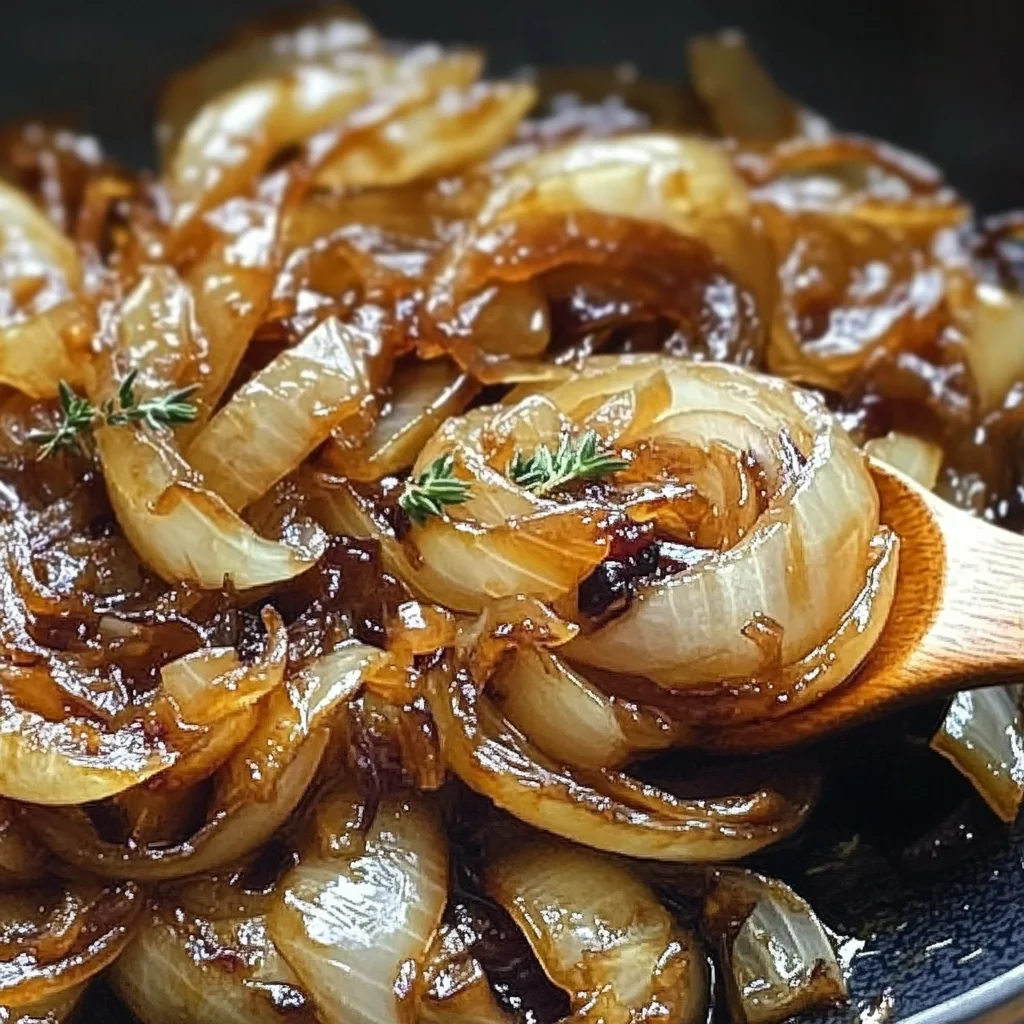
Caramelized onions are a simple yet delicious way to elevate your dishes. With just a few ingredients and some patience, you can transform ordinary onions into a sweet, savory delight. This versatile ingredient can be used in various meals, from burgers to soups, and adds an incredible depth of flavor that is hard to resist. Here’s how to caramelize onions perfectly every time.
Why You’ll Love This Recipe
- Easy Preparation: With minimal effort, you can create a gourmet ingredient that enhances many dishes.
- Rich Flavor: The slow cooking process brings out the natural sweetness of the onions, making them incredibly flavorful.
- Versatile Use: Caramelized onions pair well with numerous recipes, including dips, pizzas, and salads.
- Meal Prep Friendly: You can make a large batch ahead of time and store it for up to a week.
- Healthy Addition: Packed with nutrients and low in calories, they are a great way to add healthy flavors to your meals.
Tools and Preparation
To make caramelized onions successfully, having the right tools will streamline your cooking process.
Essential Tools and Equipment
- Cast iron skillet or heavy-bottomed skillet
- Wooden spoon or spatula
- Cutting board
- Sharp knife
- Measuring spoons
Importance of Each Tool
- Cast iron skillet or heavy-bottomed skillet: These provide even heat distribution, which is crucial for gentle cooking without burning.
- Wooden spoon or spatula: Perfect for stirring the onions gently as they cook, ensuring even caramelization without damage.
- Sharp knife: Essential for easily slicing the onions thinly for uniform cooking.
Ingredients
Here’s what you’ll need to create those delicious caramelized onions:
For the Caramelized Onions
- 2 tablespoons butter
- 1 tablespoon canola oil
- 3 large yellow onions (peeled, halved and thinly sliced)
- 1 teaspoon kosher salt
- 3 sprigs fresh thyme (leaves only)
- 1 tablespoon white balsamic vinegar (optional)
How to Make Caramelized Onions
Step 1: Melt the Butter and Oil
Melt the butter with the canola oil in a large cast iron or heavy-bottomed skillet over medium-high heat. This combination helps prevent burning while adding richness.
Step 2: Add Onions and Seasoning
Add the sliced onions, sprinkle with kosher salt, and add the fresh thyme leaves. Cook the onions for about 5 minutes until they begin to soften. Stir frequently to avoid any browning.
Step 3: Reduce Heat and Cook Slowly
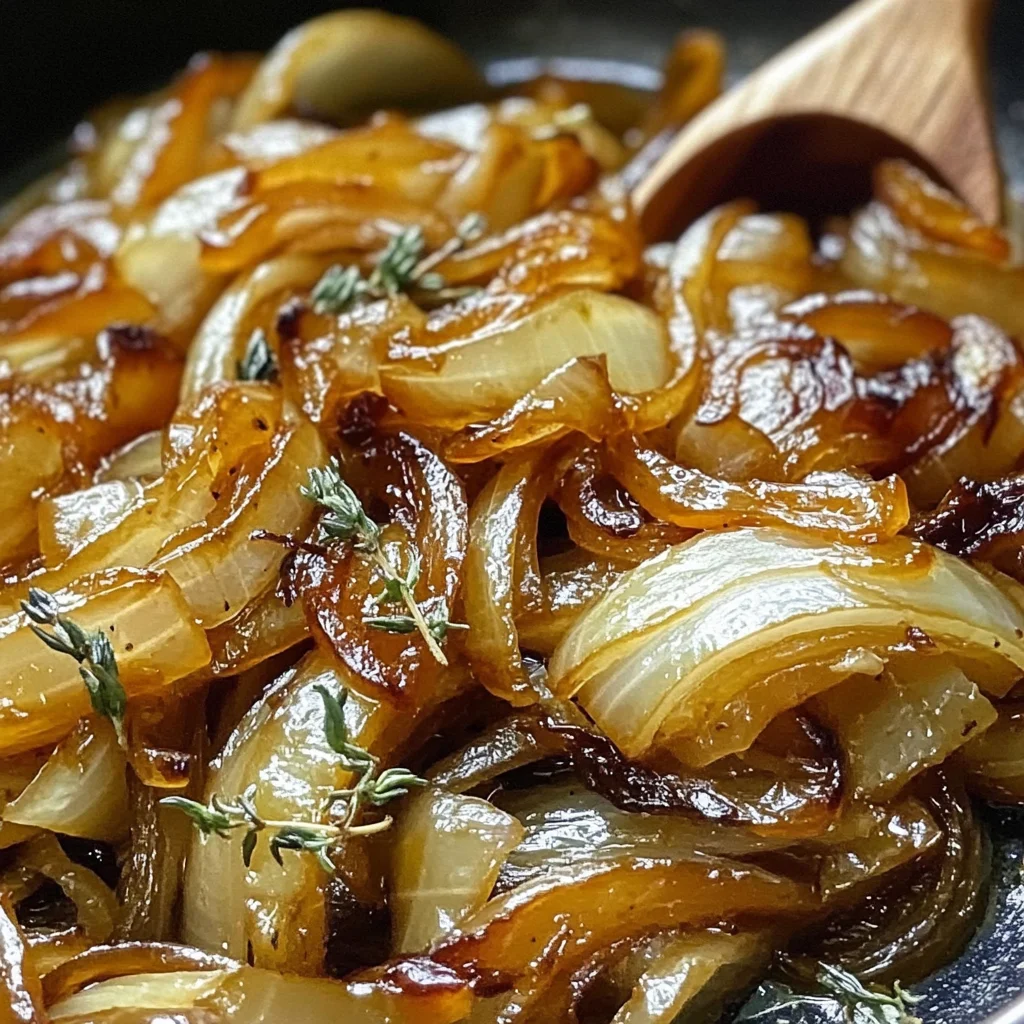
Lower the heat to medium-low. Cover with a lid and continue cooking while stirring every 10-15 minutes. The onions will gradually reduce in size and turn golden brown. If they start to burn, add a splash of water or broth to deglaze the pan.
Step 4: Finish Cooking
Cook for up to 1 hour until you achieve a deep caramel flavor. If desired, stir in the white balsamic vinegar during the last 10 minutes for added tang. Serve immediately or refrigerate for up to one week.
Enjoy your homemade caramelized onions as a delightful addition to many dishes!
How to Serve How to Make Caramelized Onions
Caramelized onions are versatile and can enhance many dishes with their sweet, rich flavor. Here are some delightful ways to serve them.
On Burgers
- Add caramelized onions on top of your favorite beef or turkey burger for a gourmet touch that elevates the flavor.
In Sandwiches
- Layer them in grilled cheese sandwiches or paninis to enjoy a melty, savory experience.
As a Topping
- Use them as a topping for pizzas or flatbreads, paired with cheese and fresh herbs for a delicious twist.
In Soups
- Stir into soups, particularly butternut squash or vegetable soups, for added depth and sweetness.
With Eggs
- Fold into scrambled eggs or serve alongside fried eggs for a flavorful breakfast option.
In Pasta Dishes
- Mix into pasta dishes or risottos for a sweet and savory flavor boost that complements creamy sauces.
How to Perfect How to Make Caramelized Onions
To get the best caramelized onions, follow these helpful tips. Each step ensures you achieve that deep golden color and rich taste.
-
Use the right onions: Yellow onions are ideal for caramelizing because of their natural sweetness which intensifies during cooking.
-
Control the heat: Start with medium-high heat to soften the onions quickly, then reduce to medium-low to prevent burning while developing flavor.
-
Don’t rush it: Patience is key! Allow the onions to cook slowly for up to an hour, stirring occasionally for even caramelization.
-
Add moisture if needed: If your onions begin to stick or burn, add a splash of water or broth. This will help deglaze the pan and infuse flavor.
-
Experiment with flavors: Feel free to add herbs like thyme or bay leaves early in the cooking process for extra aroma and taste.
-
Finish with acidity: A splash of vinegar at the end brightens the flavors and balances the sweetness.
Best Side Dishes for How to Make Caramelized Onions
Caramelized onions pair well with many side dishes. Here are some top choices that complement their sweet and savory profile.
-
Mashed Potatoes
Creamy mashed potatoes topped with caramelized onions create a comforting dish perfect for any meal. -
Roasted Vegetables
Serve alongside roasted seasonal vegetables for a nutritious side that enhances both texture and flavor. -
Quinoa Salad
A quinoa salad mixed with fresh greens and nuts pairs excellently with the sweetness of caramelized onions. -
Grilled Asparagus
Grilled asparagus sprinkled with parmesan cheese works beautifully when topped with caramelized onions. -
Polenta
Creamy polenta topped with caramelized onions offers a satisfying side that’s both hearty and flavorful. -
Coleslaw
A tangy coleslaw can balance out the sweetness of caramelized onions when served together in sandwiches or burgers. -
Stuffed Peppers
Stuffed bell peppers filled with grains and veggies gain an extra layer of flavor when complemented by caramelized onions. -
Rice Pilaf
Serve rice pilaf garnished with caramelized onions for an aromatic side dish that’s simple yet impressive.
Common Mistakes to Avoid
Caramelizing onions can be simple, but some common errors can hinder your results. Here are a few mistakes to steer clear of:
- Skipping the salt – Not adding salt at the beginning can prevent the onions from releasing their moisture. Always sprinkle salt when you first add the onions.
- Cooking on high heat – Using too high of a temperature can cause the onions to burn instead of caramelize. Stick to medium or medium-low heat for better results.
- Not stirring enough – If you neglect to stir occasionally, you risk uneven cooking and potential burning. Make it a habit to stir every 10-15 minutes.
- Using old onions – Fresh onions yield better flavor and texture. Always use firm, fresh onions for the best caramelization.
- Rushing the process – Caramelizing onions takes time, and rushing can lead to less flavorful results. Allow up to an hour for deep, rich flavor development.
Storage & Reheating Instructions
Refrigerator Storage
- Store in an airtight container for up to one week.
- Allow the caramelized onions to cool completely before sealing them in the container.
Freezing How to Make Caramelized Onions
- Freeze in portions using freezer-safe bags or containers.
- They can last up to three months in the freezer.
Reheating How to Make Caramelized Onions
- Oven – Preheat your oven to 350°F (175°C) and reheat in an oven-safe dish covered with foil for about 10-15 minutes.
- Microwave – Place in a microwave-safe bowl, cover loosely, and heat in short bursts of 30 seconds, stirring in between until warm.
- Stovetop – Heat over low-medium heat in a skillet, stirring frequently until heated through.
Frequently Asked Questions
Here are some common questions regarding how to make caramelized onions:
What is the best type of onion for caramelizing?
Yellow onions are ideal due to their natural sweetness when cooked. They develop a rich flavor that enhances dishes beautifully.
How long does it take to caramelize onions?
The process typically takes around 30-60 minutes. The longer you cook them, the deeper the flavor will become.
Can I use olive oil instead of butter?
Yes, olive oil works well too! It may change the flavor slightly but will still produce delicious results.
How do I know when my onions are done?
When they are soft, golden brown, and have a rich aroma, they are ready! Taste them for your desired sweetness and texture.
How can I customize my caramelized onions?
Feel free to add spices like pepper or herbs such as rosemary during cooking for extra flavor. Experiment with different vinegars too!
Final Thoughts
Caramelized onions are a versatile ingredient that can elevate many dishes—from burgers to dips and even soups. This recipe is straightforward yet offers tremendous flavor potential. Don’t hesitate to customize it with your favorite herbs or additional ingredients; enjoy experimenting!
Caramelized Onions
- Prep Time: 10 minutes
- Cook Time: 60 minutes
- Total Time: 1 hour 10 minutes
- Yield: Approximately 2 cups of caramelized onions 1x
- Category: Side Dish
- Method: Sautéing
- Cuisine: American
Description
Caramelized onions are a culinary treasure, transforming simple dishes into gourmet delights. With their rich, sweet flavor and silky texture, they can elevate everything from burgers to soups. This straightforward recipe guides you through the process of creating perfectly caramelized onions every time. Just a few ingredients and some patience are all it takes to achieve that deep golden color and irresistible taste. Whether you’re looking to enhance a meal or add a touch of sophistication to your cooking, these caramelized onions are an essential ingredient in your kitchen.
Ingredients
- 2 tablespoons butter
- 1 tablespoon canola oil
- 3 large yellow onions (peeled, halved, and thinly sliced)
- 1 teaspoon kosher salt
- 3 sprigs fresh thyme (leaves only)
- 1 tablespoon white balsamic vinegar (optional)
Instructions
- In a large cast iron skillet or heavy-bottomed skillet, melt the butter with canola oil over medium-high heat.
- Add the sliced onions and sprinkle with kosher salt and thyme leaves. Cook for about 5 minutes until they start to soften.
- Reduce heat to medium-low, cover with a lid, and cook for up to 60 minutes, stirring occasionally. If they begin to burn, add a splash of water or broth.
- In the last 10 minutes of cooking, stir in white balsamic vinegar if desired for extra tang.
Nutrition
- Serving Size: 1/4 cup (60g)
- Calories: 70
- Sugar: 6g
- Sodium: 220mg
- Fat: 5g
- Saturated Fat: 3g
- Unsaturated Fat: 2g
- Trans Fat: 0g
- Carbohydrates: 7g
- Fiber: 1g
- Protein: 1g
- Cholesterol: 10mg
Keywords: Use fresh yellow onions for optimal sweetness. Don’t rush the cooking process; low heat allows for better flavor development. Customize by adding herbs or spices during cooking for unique flavors.